 Tea basics
What Is True Tea?
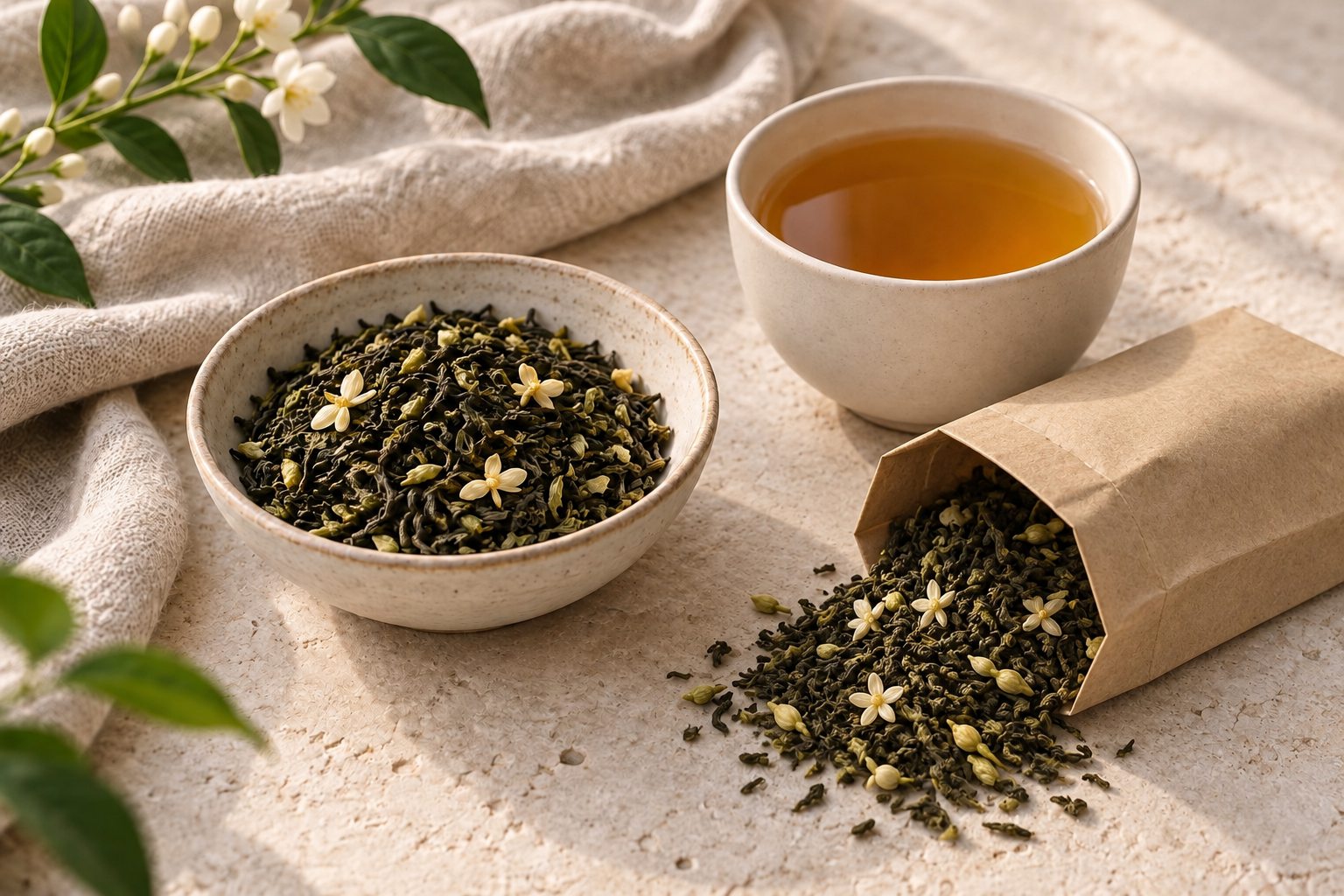
True tea is a drink made from the leaves of Camellia sinensis. Black, green, white, and oolong teas all begin with that plant; their differences come chiefly from growing, harvesting, and processing.
Read article →
THE WHITE FIELD JOURNAL
Explore how tea is grown, brewed, and shared. Read about the Gospel mission that shapes our company.
50 focused guides · Tea first, with a dedicated faith and mission section.
Tea basicsTrue tea is a drink made from the leaves of Camellia sinensis. Black, green, white, and oolong teas all begin with that plant; their differences come chiefly from growing, harvesting, and processing.
Read article →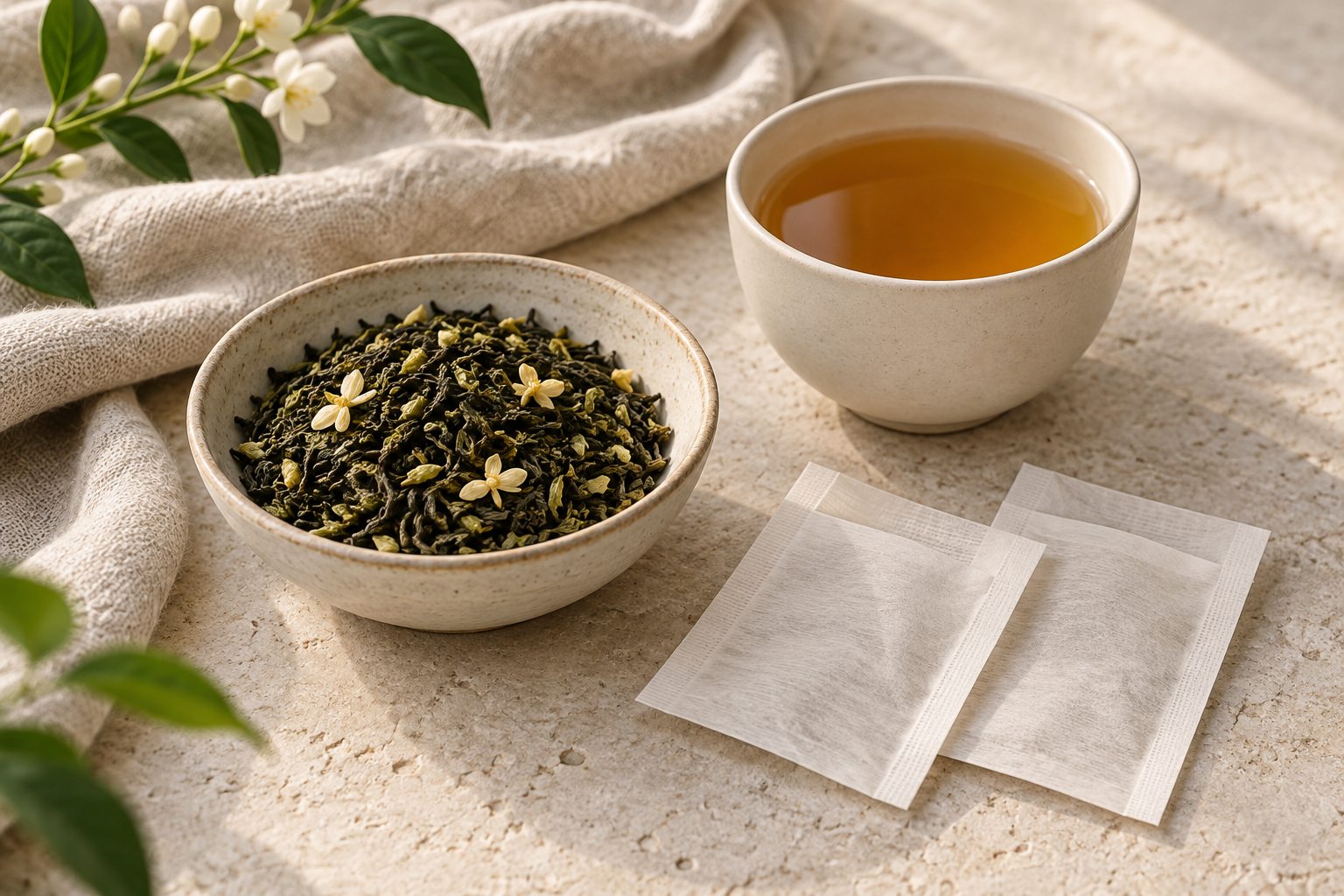 Tea basics
The familiar tea families are black, green, white, and oolong. All use Camellia sinensis, but different handling of the leaf creates distinct colors, aromas, and textures.
Read article →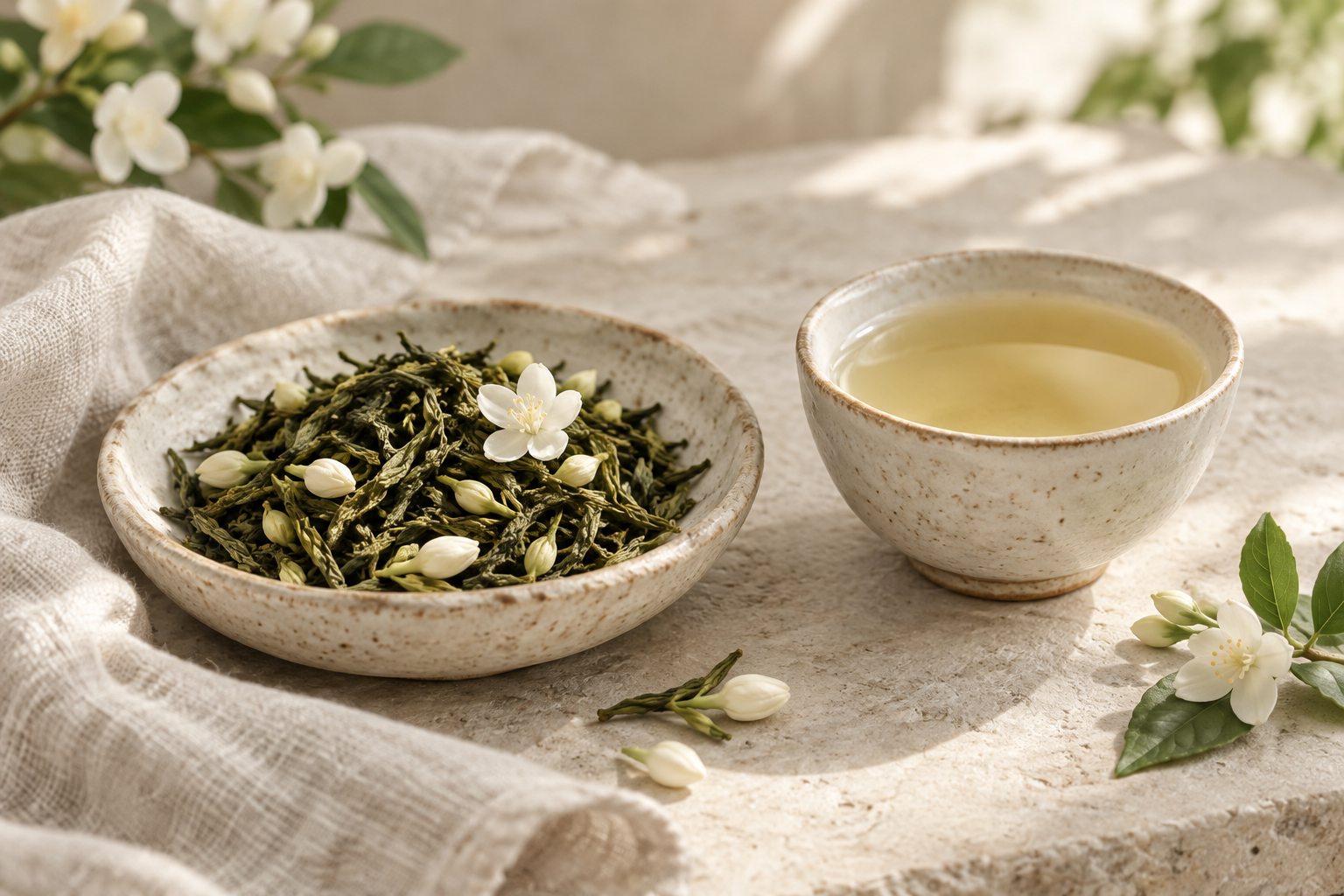 Tea basics
Black and green tea come from the same tea plant. The main processing difference is oxidation: black tea develops it more fully, while green tea is heated soon after harvest to preserve a different character.
Read article →Tea basicsTea oxidation is the reaction that begins when compounds in a tea leaf meet oxygen after the leaf is handled. Tea makers control this step to shape color, aroma, and flavor.
Read article →Tea basicsWhole and broken leaves can both make enjoyable tea. Leaf size changes how quickly flavor enters the water, but it does not by itself prove quality.
Read article →Tea basicsLoose leaf gives you direct control over leaf amount and steeping space; tea bags prioritize convenience. The better choice is the one that produces a cup you enjoy and will actually make.
Read article →Tea basicsA tea sachet is a pre-portioned packet for steeping. It is usually designed to give the leaf more room than a small flat tea bag, while retaining the convenience of a single serving.
Read article →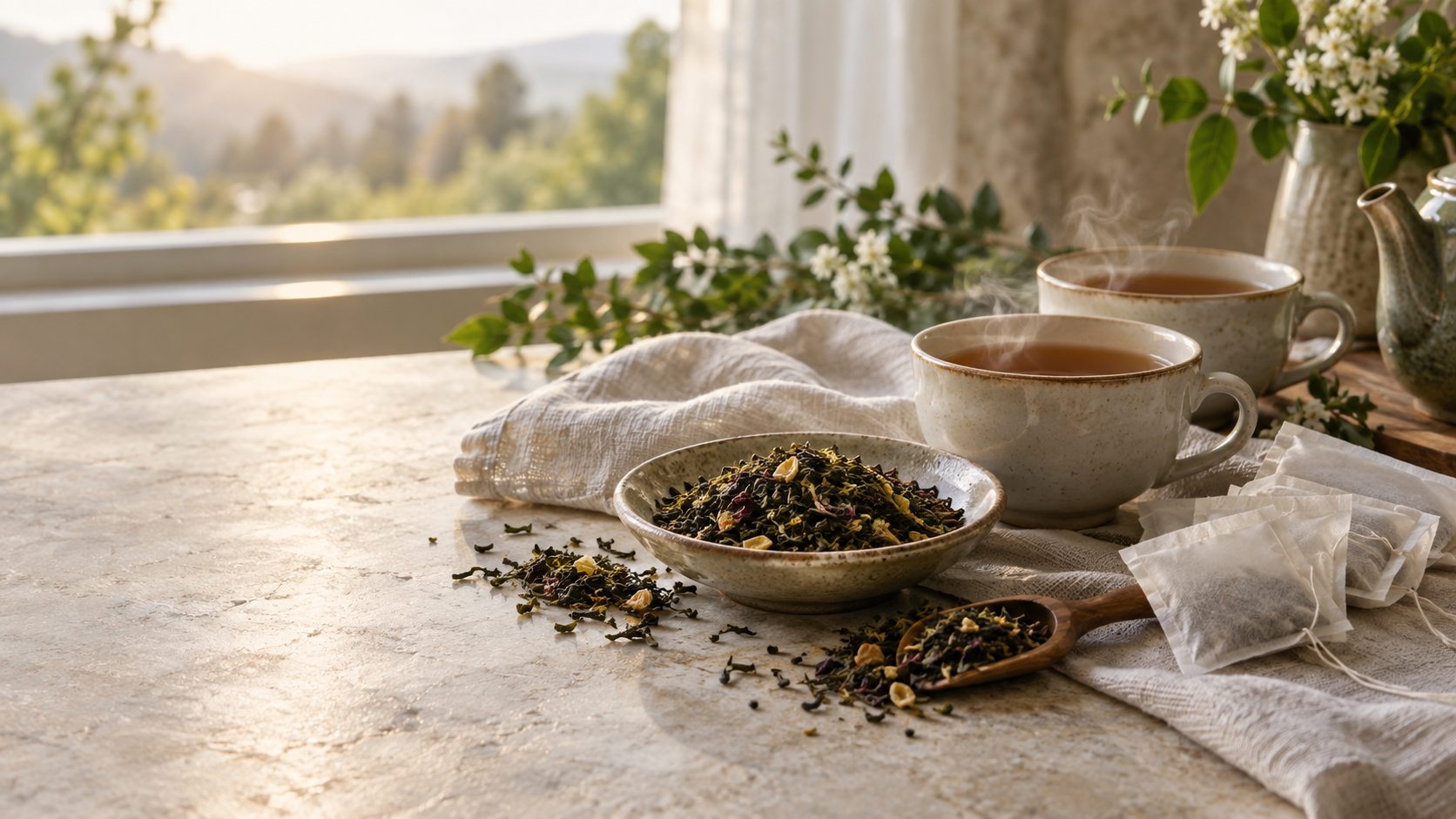 Tea basics
Start with the flavors you already like, then choose one clear comparison: black or green, plain or flavored, brisk or gentle. A simple tasting teaches more than a long shopping list.
Read article →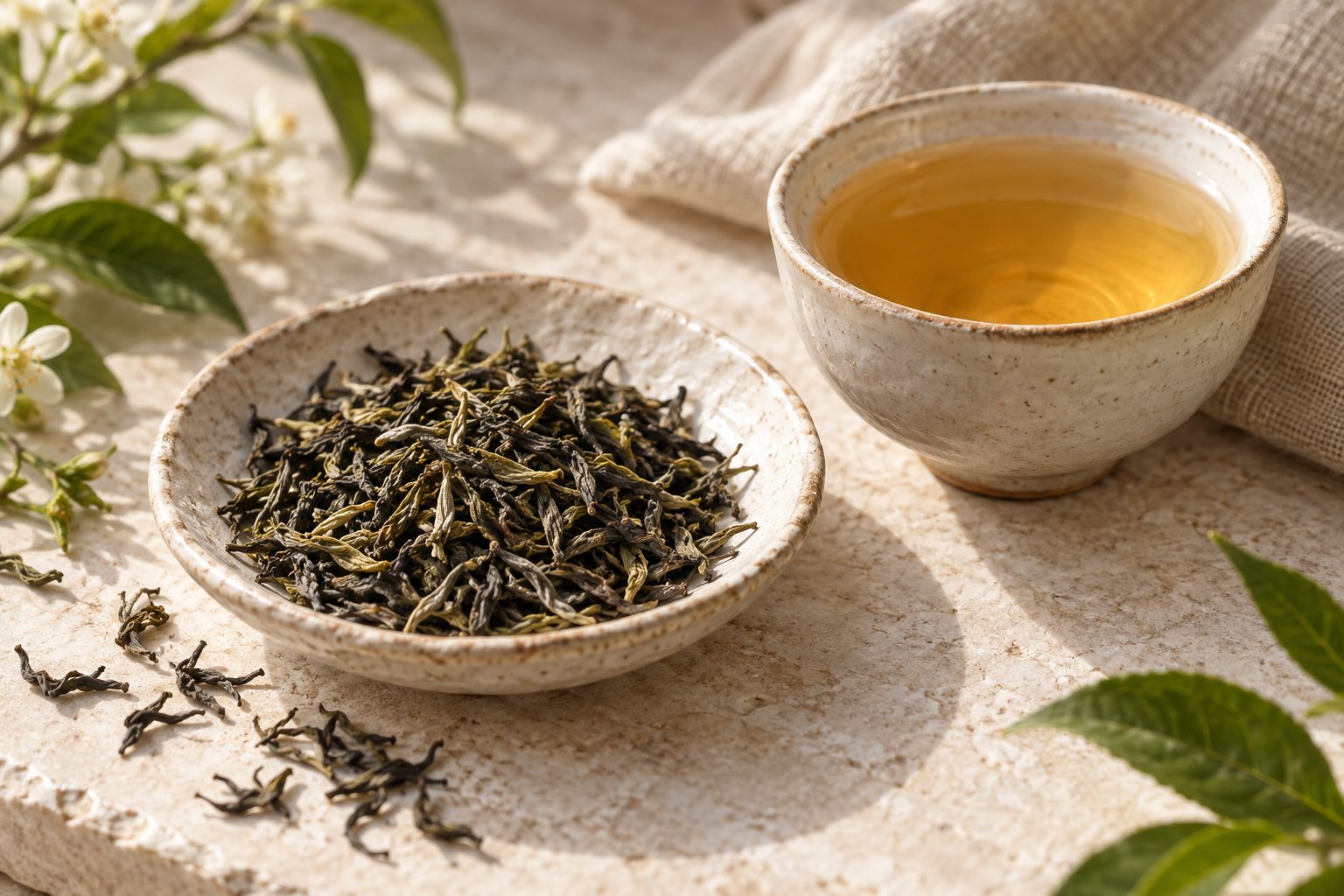 Tea basics
Tea tasting notes describe perceived aromas and flavors, such as citrus, malt, flowers, or toasted grain. They are comparisons, not necessarily added ingredients.
Read article →Tea basicsBrew two teas with the same water, cup size, and measured leaf, then compare aroma, body, and finish. Change only one brewing variable if you want the comparison to teach you something.
Read article →BrewingBegin with about one rounded teaspoon of loose tea per cup, then adjust to the leaf and your taste. Weighing the tea makes repeat brews easier, but a spoon is enough to start.
Read article →BrewingBlack tea usually benefits from hot water around 90–98°C (194–208°F). Start there, then adjust time and leaf amount for the particular tea and your preferred strength.
Read article →BrewingAround 80°C (176°F) is a useful first temperature for many green teas. Cooler water can bring out a gentler cup; hotter water may make a delicate leaf taste sharper.
Read article →BrewingSteeping time depends on the tea, leaf size, water temperature, and the strength you want. Use the maker’s directions as a first test, then time your next cup so you can adjust deliberately.
Read article →BrewingTea often tastes bitter because of too much leaf, too-hot water, or a steep that ran too long. The easiest fix is to change one of those variables and taste again.
Read article →BrewingYes, many loose leaf teas can be steeped more than once. A second infusion is usually different and often lighter; use it as another way to explore the leaf rather than expecting a repeat.
Read article →BrewingYes. Water is most of the cup, and mineral content or strong flavors in tap water can change how tea tastes. Start with clean, pleasant-tasting water before changing the leaf.
Read article →BrewingChoose an infuser with enough room for the leaves to open, a mesh fine enough to contain the leaf, and a shape that is easy to remove and clean. A simple basket works for most cups.
Read article →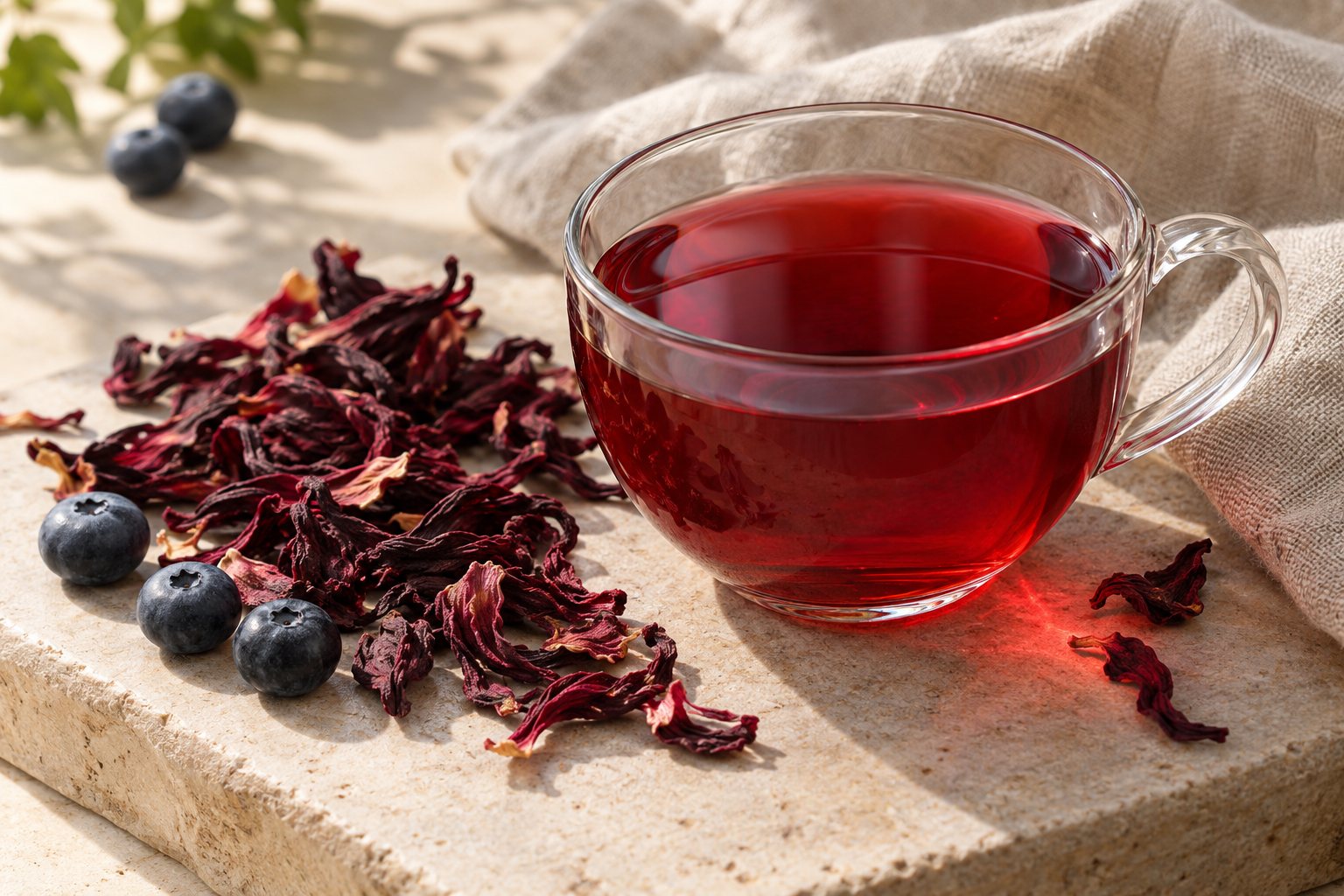 Brewing
Brew tea hot, then cool it and pour it over ice. For a stronger glass, use a little more leaf or less brewing water so the melting ice becomes part of the final dilution.
Read article →BrewingStore loose tea sealed in a cool, dry place away from light and strong odors. The kitchen counter can be convenient, but proximity to heat, steam, or spices may dull the leaf.
Read article →Tea varietiesAssam tea refers to tea grown in the Assam region of India. Many Assam black teas are known for a full-bodied, malty cup, though the character varies by garden, harvest, and processing.
Read article →Tea varietiesDarjeeling tea comes from a protected tea-growing area in India. It is prized for a range of fragrant, often lighter cups, but flavor varies with harvest season and individual garden.
Read article →Tea varietiesCeylon tea is tea from Sri Lanka. It is not one single flavor: the island’s growing regions produce cups that can range from delicate and fragrant to strong and full.
Read article →Tea varietiesSencha is a common style of Japanese green tea made from leaves that are steamed, rolled, and dried. It can offer a fresh, vegetal, sometimes savory cup.
Read article →Tea varietiesMatcha is powdered green tea made from tencha leaves. Instead of steeping and removing the leaf, you whisk the powder into water and drink the suspended tea.
Read article →Tea varietiesJasmine tea is usually tea leaf scented with jasmine flowers or jasmine aroma. It is often based on green tea, but the base leaf and scenting method should be checked on the label.
Read article →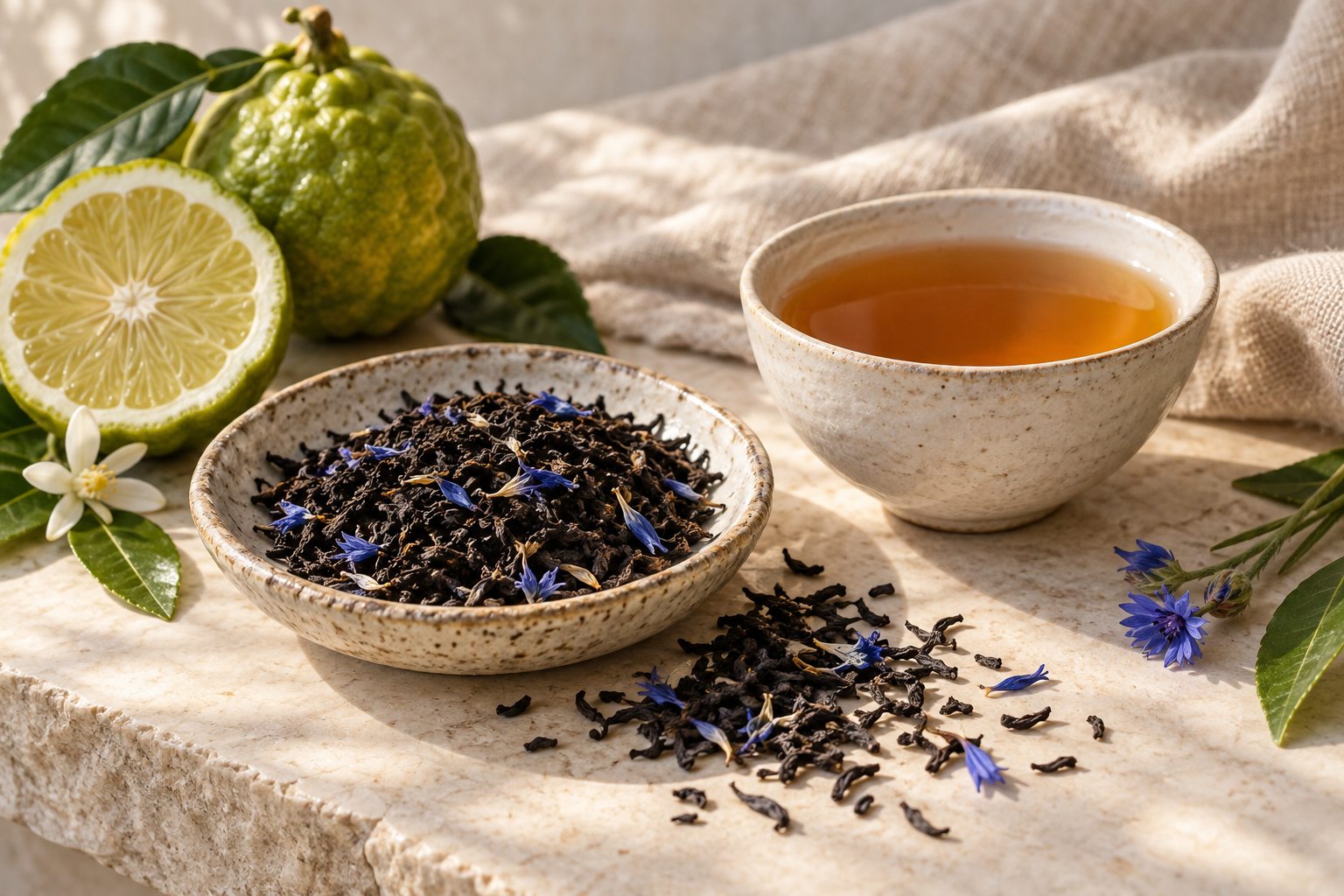 Tea varieties
Earl Grey is a tea flavored with bergamot, a citrus fruit. It is commonly made with black tea, though green and other versions also exist.
Read article →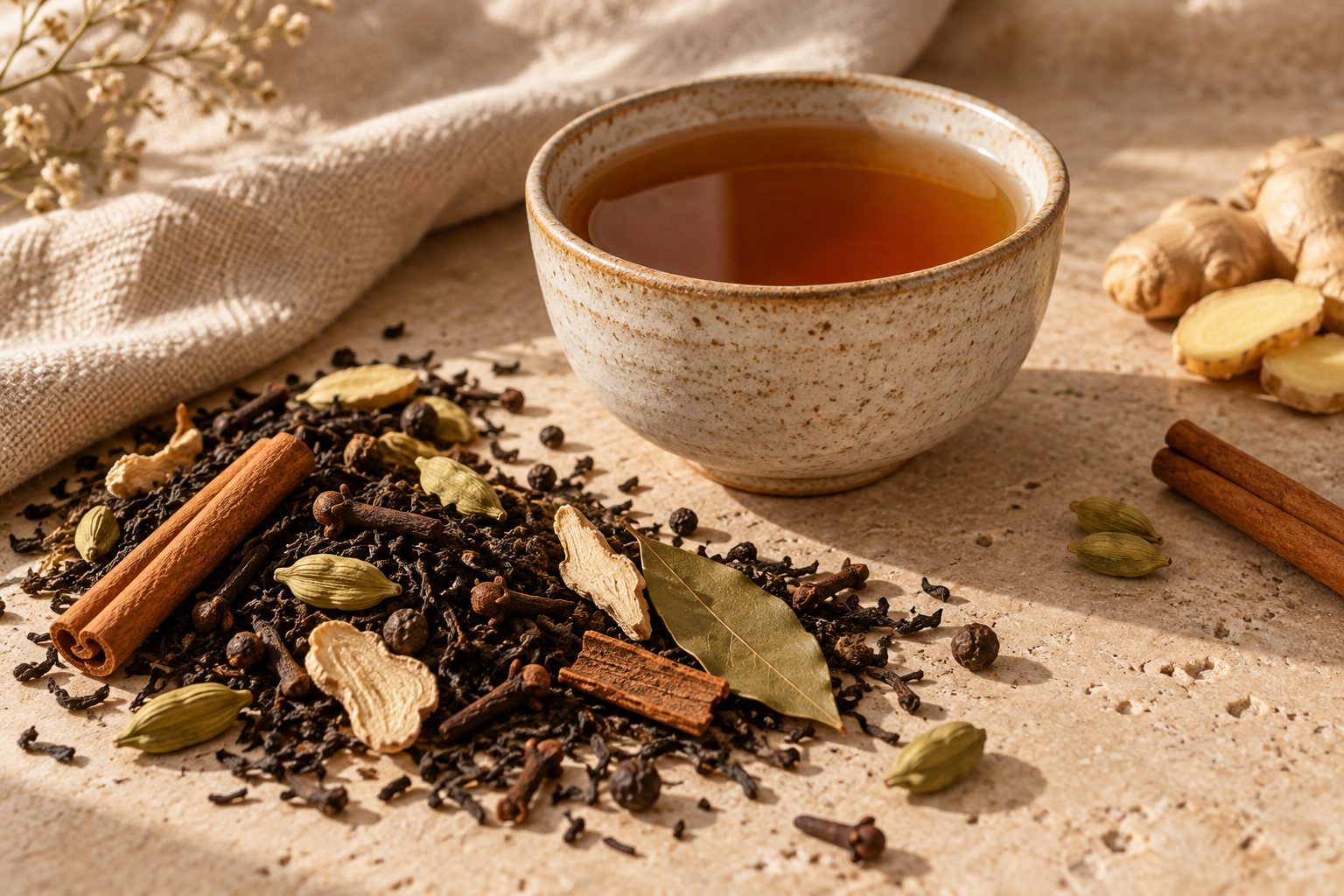 Tea varieties
Masala chai is spiced tea, commonly made by simmering black tea with a mixture of spices, milk, and sweetener. “Masala” refers to the spice mixture; recipes vary widely.
Read article →Tea varietiesWhite tea is a gently processed Camellia sinensis tea, often made from young buds and leaves that are withered and dried. It can taste subtle, but white teas are not all identical.
Read article →Tea varietiesOolong is a broad family of teas that are partially oxidized, between green and black tea in processing. Some are light and floral; others are darker and roasted.
Read article →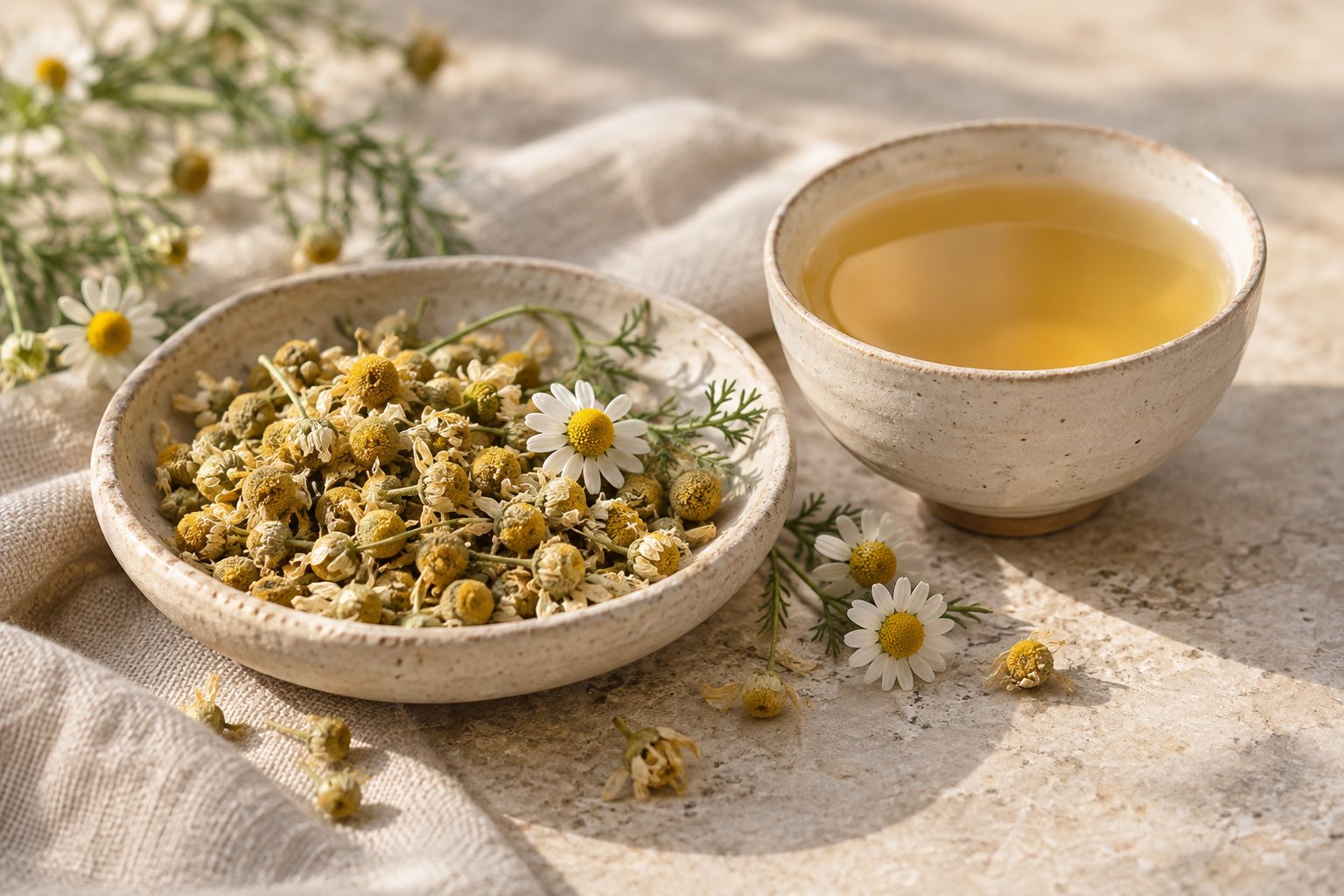 Tea and hospitality
True tea contains Camellia sinensis leaves. An herbal infusion uses other plants, such as chamomile flowers, peppermint leaves, or hibiscus. Many herbal infusions are naturally caffeine-free, but mixed blends need an ingredient check.
Read article →Tea and hospitalityChamomile “tea” is an herbal infusion made from chamomile flowers, not Camellia sinensis. It is valued for its gentle floral flavor and is naturally caffeine-free when no tea leaves are added.
Read article →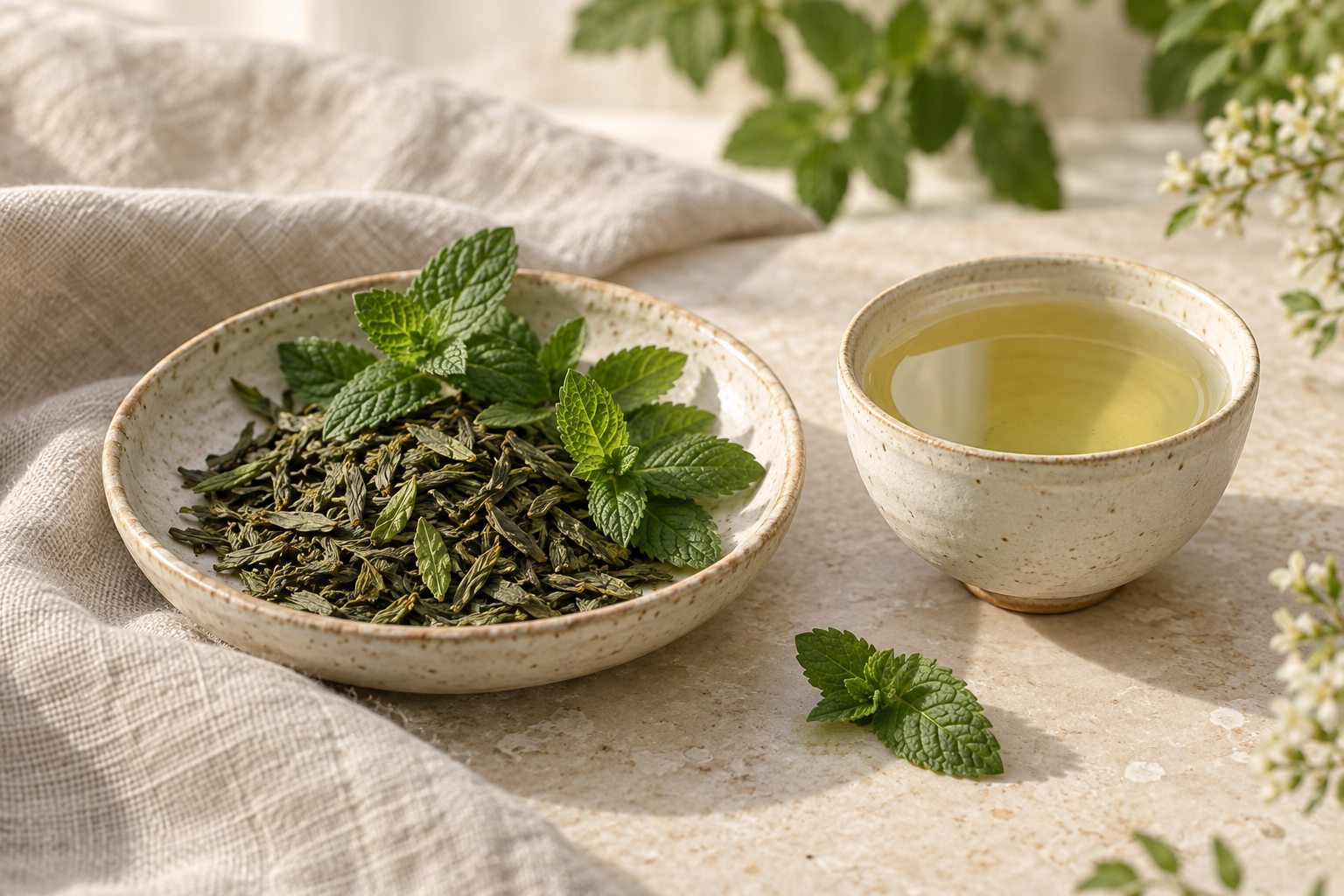 Tea and hospitality
Peppermint tea is usually an infusion of peppermint leaves. On its own it contains no Camellia sinensis and is naturally caffeine-free; a mint tea blend may still include green or black tea.
Read article →Tea and hospitalityHibiscus tea is usually a tart, ruby-colored herbal infusion made from hibiscus calyces. It contains no tea leaf unless a blend adds Camellia sinensis.
Read article →Tea and hospitalityBlack, green, white, and oolong teas naturally contain caffeine because they come from Camellia sinensis. The amount in a cup varies with the leaf and preparation; herbal infusions may be caffeine-free.
Read article →Tea and hospitalityDecaffeinated tea starts as true tea and has much of its caffeine removed. A naturally caffeine-free infusion contains no tea leaf to begin with, unless the blend adds one.
Read article →Tea and hospitalityFor an evening cup without tea-leaf caffeine, choose a clearly labeled herbal infusion such as plain chamomile or peppermint. If you want true tea, check the product’s caffeine information and your own tolerance.
Read article →Tea and hospitalityOffer one familiar tea, one caffeine-free option, hot water, and a way for guests to adjust their cups. Thoughtful tea service needs attention more than special equipment.
Read article →Tea and hospitalityPair by balance: a brisk black tea can stand beside richer food, while a delicate green or white tea is easier to notice with lighter fare. Taste the tea plain before choosing a pairing.
Read article →Tea and hospitalityChoose three different teas, brew small portions, and let guests describe what they notice. A relaxed tasting needs clear labels and water more than professional vocabulary.
Read article → Faith and mission
“Least reached” describes communities with limited access to a clear Gospel witness, Scripture, and a local church. It is a description of access, not a judgment about anyone’s worth, intelligence, or culture.
Read article →Faith and missionChristians share the Gospel because Jesus commanded his church to make disciples and because the good news of his life, death, and resurrection is meant to be proclaimed. Love for neighbors rules out coercion or indifference.
Read article →Faith and missionThe Gospel is the good news that God saves sinners through Jesus Christ—his obedient life, atoning death, and bodily resurrection. Salvation is received by grace through faith, not earned by good works or a purchase.
Read article →Faith and missionHistoric Christianity confesses that salvation is found in Jesus Christ alone. Jesus’ own claim in John 14:6 and the apostles’ witness in Acts 4:12 ground that belief; it does not license contempt for people who disagree.
Read article →Faith and missionIn Reformed theology, God’s sovereignty does not make evangelism unnecessary. God appoints both the saving outcome and the ordinary means—especially the preached Gospel—through which people hear and believe.
Read article →Faith and missionRomans 10 says faith comes from hearing the word of Christ. People need the actual news of Jesus, spoken or otherwise communicated intelligibly, rather than only a vague impression that Christians are kind.
Read article →Faith and missionChristian mission aims beyond a first hearing toward disciples who worship, learn, receive baptism, and grow together in local churches. The Great Commission includes teaching as well as going.
Read article →Faith and missionFaithful evangelism communicates the Gospel clearly, listens honestly, invites a response without coercion, and leaves the work of conversion to God. It values patient discipleship over a dramatic statistic.
Read article →Faith and missionChristians can learn language, listen to local people, honor what is good in a culture, and still speak clearly about Jesus. The Gospel is not owned by a Western nation or a tea company.
Read article →Faith and missionA tea purchase can support mission only through an honest business giving commitment. White Field intends to give 100% of net profits, beginning with its first sale, to Christian ministry among the least reached.
Read article →